From 20 Visitors a Month to Page 1: An SEO Case Study for a B2B Fintech Company
How TheReviewsNow rebuilt the technical foundation, on-page structure and content strategy for a US-focused fintech document verification platform — turning almost no organic visibility into consistent page-one rankings and a steady weekly lead pipeline.
A B2B fintech company built on trust — that Google couldn’t find.
The client (name withheld for confidentiality) provides bank account confirmation, proof of address verification, and verified bank statement services to businesses across the United States — the kind of compliance-heavy, high-trust fintech category where a buyer’s first impression of your site has to work harder than in almost any other industry. When they came to us, the business itself was solid. The problem was that almost nobody outside their existing client base could find them.
Organic traffic was stuck at around 20 visits a month.
Our initial audit found a site that had never really been built for search — or for the people landing on it.
Double & Duplicate Heading Tags
Multiple H1 tags on the same page, left over from template changes, muddying what each page was actually trying to rank for.
Confusing Menu & Site Structure
No clear navigation hierarchy — services, resources and company pages were scattered with no logical path between them.
No Proper Analytics or Tracking
No reliable conversion tracking in place, so the business had no real visibility into what little traffic it did have.
User-Unfriendly Page Design
Dense, hard-to-scan pages that made it difficult for a first-time visitor to understand the service or find a next step.
Broken & Outdated Sitemap
The XML sitemap hadn’t been updated in a long time — missing newer pages and still listing ones that no longer existed.
Unoptimized Content & Meta Tags
Thin service page content and generic, unoptimized meta titles and descriptions across nearly every page on the site.
Six phases, over twelve months.
No shortcuts — the foundation got fixed before we ever touched a keyword strategy.
Full Technical & UX Audit
Before recommending a single fix, we crawled and catalogued every technical issue on the site — heading structure, navigation, tracking, sitemap and on-page content — so the roadmap was built on a complete picture, not guesswork.
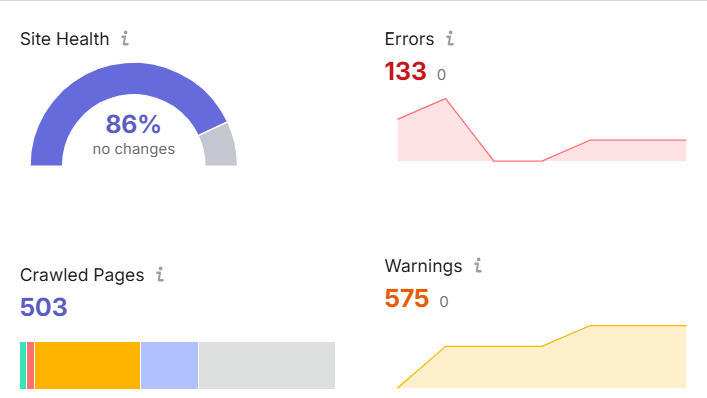
Fixing the Foundation
We corrected heading structure across every key page, rebuilt the menu and navigation into a logical hierarchy, implemented proper analytics and conversion tracking, resubmitted a corrected sitemap, and redesigned pages that were hurting usability.
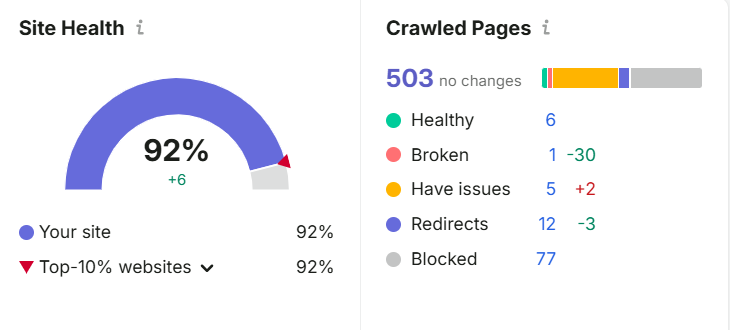
Backlink Audit & Low-Quality Link Removal
Using dedicated SEO tools, we audited the site’s full backlink profile, identified links from low-quality or spammy sources that were actively working against the domain, and had them disavowed or removed.
Keyword Clusters & Content Strategy
With the foundation fixed, we built keyword clusters around the client’s core services, developed matching content clusters, and started publishing new, relevant blog topics — alongside further design refinements based on early user behavior.
Shifting the Focus to Revenue
Once traffic had a real base to build on, we shifted optimization toward the pages and paths that actually generated leads — tracking weekly lead volume as closely as we tracked rankings.
Authority & Reputation Building
In parallel, we kept researching competitors to find content and resource gaps, built out whitepapers, downloadable PDFs and resource pages, secured guest posts on top industry sites, and continued monitoring the client’s brand reputation throughout.
Authority Assets Built Along the Way
Twelve months of compounding growth.
Every number below is tied to the phases above — nothing here happened by accident or all at once.
Organic Traffic Growth — Month 0 to Month 12
Monthly organic visitors. The jump at month 3 reflects the technical and on-page fixes from Phases 1–3.
Weekly Leads Growth — Revenue-Focused Phase
Average leads per week, tracked from the start of Phase 5 through month 6 of dedicated lead-generation work.
“We knew our website wasn’t working, but we didn’t realize how much of that came down to basic technical issues nobody had ever flagged. TheReviewsNow fixed the foundation first instead of jumping straight to content, and it’s the first SEO engagement where we could actually see leads increase week over week.”
About this case study.
The first meaningful jump — from roughly 20 to 400 monthly visitors — took about 3 months, driven mainly by fixing technical and on-page issues. Lead generation results followed once the content and keyword strategy phase was underway, around month 4 onward.
New content built on top of duplicate headings, a broken sitemap and poor tracking would have been optimizing on a broken foundation. Fixing the technical layer first meant every piece of content published afterward actually had a chance to rank and be measured properly.
It’s a high-trust, often compliance-sensitive category, which makes technical accuracy, content quality and reputation signals matter more than in many other industries — but the fundamentals of good SEO still apply. This case is a fairly direct example of that.
Yes — B2B, SaaS and fintech are among our core specializations. You can read more about our approach on our SEO services page.
Every site starts from a different baseline, so we won’t promise identical numbers. What we can promise is the same process: a full audit, a fixed foundation, and a strategy built around your actual buyers — which is exactly what a free audit will show you for your own site.
See what’s holding your own site back.
A free, human-reviewed SEO audit — the same starting point that led to this case study.